
Key Takeaways
- Nursery 2 routines build language, coordination, and confidence through playful classroom activities.
- Daily group tasks help children practise communication, cooperation, and early social awareness.
- Hands-on classroom activities strengthen fine motor control and encourage curiosity through play.
- Observation, repetition, and simple challenges nurture persistence and early problem-solving skills.
Introduction
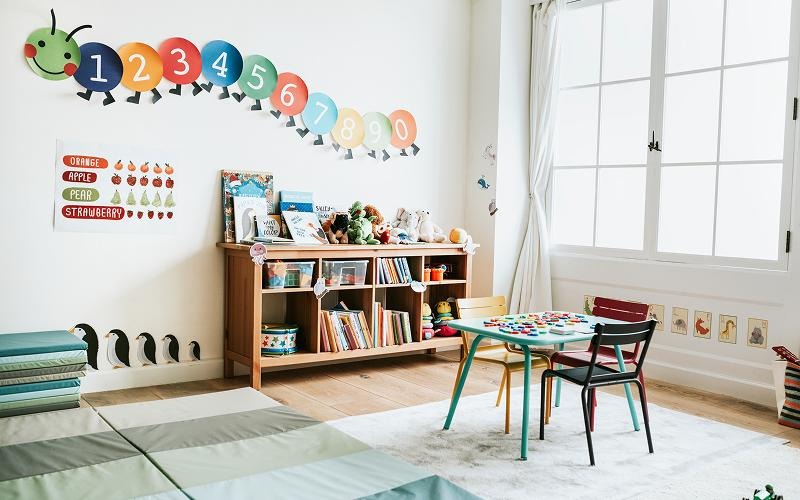
Playful activity fills the day in many early classrooms, and much of that structure follows the Nursery 2 curriculum in Singapore. Children move between puzzles, music, storytelling, and creative tasks that invite curiosity and participation. Games, building blocks, and lively conversation introduce ideas without relying on lengthy explanations. Laughter travels across the room while young learners explore ideas with busy hands and curious minds.
During this stage, children practise communication, coordination, and simple problem‑solving. Tasks shift throughout the day, and each one quietly strengthens a useful ability. A puzzle solved, a story shared, or a tower rebuilt after a tumble all add another small piece to a growing set of skills.
Building Communication and Language Skills
Conversations Through Daily Activities
Language practice appears naturally during daily routines. Story circles, music sessions, and role‑play corners encourage discussion while teachers guide interaction in a Montessori kindergarten in Singapore. Children describe drawings, ask for materials, or sing along during group activities.
Simple exchanges carry surprising value. A child requesting a paintbrush or explaining a block structure begins learning how words express ideas. Confidence grows gradually as children discover that conversation helps activities move along.
Listening and Responding in Group Settings
Listening becomes just as important as speaking. Group storytelling, instruction during craft activities, and shared games encourage attention and patience at a preschool in River Valley, Singapore.
Children practise waiting for their turn and responding to classmates during discussions. Over time, these interactions strengthen understanding and cooperation. Communication becomes a two‑way street where speaking and listening work together.
Strengthening Motor Skills and Coordination
Fine Motor Practice Through Classroom Tasks
Creative classroom work provides steady practice for developing coordination. Drawing shapes, threading beads, and arranging puzzles all appear throughout the Nursery 2 curriculum in Singapore.
Each activity strengthens control in the hands and fingers. Crayons glide across paper, puzzle pieces click together, and tiny beads line up one by one. Small actions repeated through play gradually sharpen fine motor skills.
Active Play for Balance and Movement
Movement also forms part of daily learning, giving children chances to stretch, balance, and explore their surroundings through guided play. Playground games, music sessions, and guided movement activities bring energy into the routine of a Montessori kindergarten in Singapore.
Running, jumping, and balancing develop body awareness. Children explore how their bodies move while navigating simple obstacle paths or dancing to cheerful music. Movement keeps energy flowing while balance and coordination gradually improve.
Developing Social Awareness
Learning Cooperation in Group Activities
Shared activities create natural opportunities for teamwork at a preschool in River Valley, Singapore. Puzzle stations, building blocks, and pretend‑play areas invite children to collaborate while completing tasks together.
Children practise sharing materials, waiting for turns, and celebrating small successes as a group. A tower built together or a puzzle finished collectively brings smiles and quiet pride. Cooperation begins to feel natural through repeated experiences.
Understanding Classroom Responsibility
Daily routines also introduce children to responsibility. Tidying shelves, returning materials, and helping prepare activity spaces appear throughout the Nursery 2 curriculum in Singapore.
Completing these small tasks helps children recognise their role in the classroom environment. Orderly shelves and organised materials reflect teamwork. A tidy classroom becomes a shared accomplishment.
Curiosity and Early Problem‑Solving
Exploring Ideas Through Play
Playful challenges frequently appear during classroom activities. Puzzle boards, sorting games, and construction tasks encourage experimentation in a Montessori kindergarten in Singapore.
A block tower that tumbles quickly becomes an invitation to try again. Children adjust pieces, test new ideas, and repeat the task until it works. Persistence develops quietly while curiosity keeps the process enjoyable.
Observing and Learning from Others
Observation also shapes learning moments. Watching classmates complete tasks sparks interest inside a preschool in River Valley, Singapore.
After watching a classmate solve a task, another child frequently gives the same challenge a try. Ideas travel quickly across the classroom, turning one small discovery into a shared learning moment.
Conclusion
Growth during the Nursery years appears through many small moments. Conversations with classmates, playful movement, creative tasks, and shared routines each contribute to developing new abilities. Communication, coordination, curiosity, and cooperation begin taking shape through daily classroom life.Visit Brighton Montessori today to see how engaging classroom activities and supportive teachers guide young learners through the Nursery years with confidence and curiosity.