
Key Takeaways
- Everyday moments, such as drop-offs and pick-ups, can reveal additional information about an international preschool.
- Personal communication and a welcoming community build trust and comfort for both parents and children.
- Practical routines and future continuity influence how manageable and reassuring a school choice feels over time.
Introduction
It’s a fact that early school experiences shape the academic skills of a child. Parents in Singapore seek more than that for their children, which is why they tend to compare school websites, ask other families for opinions, and book campus tours. However, their final impressions usually come from everyday details that feel familiar and reassuring. Whether you are relocating, upgrading from a local preschool, or considering the best international schools in Singapore for the long term, these lived moments help clarify what truly matters before making a choice.
The Atmosphere During Drop-Off
The morning drop-off sets the tone for how parents feel about an international preschool. Some schools feel calm and welcoming, with staff greeting children by name and helping them settle into activities. Others feel rushed, with queues at the gate and limited interaction beyond attendance checks. Families often notice how children respond as well, whether they walk in confidently or hesitate at the door, revealing how supported children are and how smoothly the school day begins, which matters more than polished marketing materials.
Communication That Feels Human
Parents quickly notice how teachers and administrators communicate. A short update at pick-up, a thoughtful email about classroom activities, or a quick message when a child feels unwell can make a strong impression. In contrast, generic newsletters and delayed replies can feel distant. Many families value communication that feels personal and timely, especially when children are still developing language and emotional skills. This everyday exchange builds trust more than any formal policy document, particularly for those comparing multiple international preschool options.
How Children Actually Spend Their Day
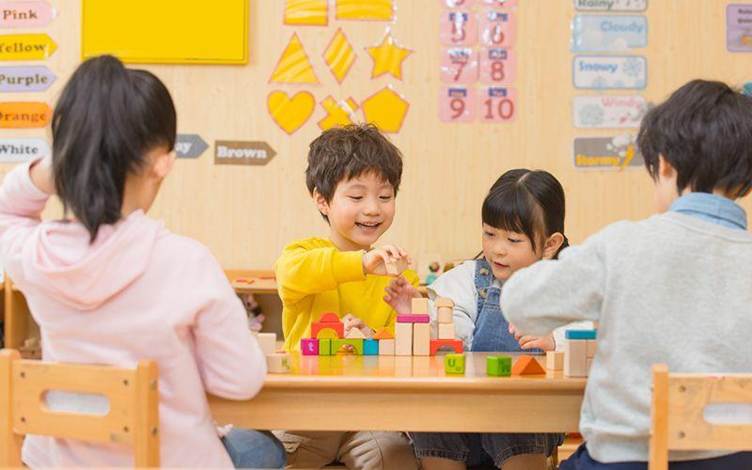
During campus tours, parents often focus on facilities, but what stands out later is how children use those spaces. Are they engaged in play, storytelling, art, or outdoor exploration? Do classrooms feel lively without being chaotic? Families tend to notice whether learning feels balanced between structure and freedom. Observing children during normal activities offers insight into teaching styles and classroom culture, which can differ widely even among the best international schools in Singapore. These observations help parents picture their own child in that environment.
Cultural Mix and Community Feel
One of the features of an international preschool is its diverse community. Parents often notice how children from different backgrounds interact and how the school celebrates cultural events. A sense of inclusivity, where festivals, languages, and traditions are acknowledged naturally, can make families feel at home. Informal conversations with other parents at pick-up or school events often reveal whether the community feels supportive or fragmented. For many families, this social aspect becomes a deciding factor alongside curriculum considerations.
Practical Details That Affect Daily Life
Apart from curriculum and facilities, practical details can show how families experience a school. Parents often notice traffic flow at drop-off, parking availability, security procedures, and the clarity of administrative processes. Simple conveniences, such as clear signage, organised handovers, and responsive office staff, reduce daily stress. These details quickly influence how manageable school routines feel over time, especially for working parents balancing tight schedules.
Signs of Continuity for the Future
Families considering an international preschool look ahead to primary and secondary pathways. Parents notice whether the school aligns with broader educational trajectories and how smoothly children can transition later. Conversations with older students’ families or staff can reveal how well children adapt to subsequent stages. For those exploring the best international schools in Singapore, including Middleton International School, having this continuity reassures parents that their initial choice will support long-term learning and development rather than requiring frequent school changes.
Conclusion
Families often end up relying on everyday impressions that reveal how a school actually feels. The gap between glossy presentations and lived experiences becomes clear through drop-offs, conversations, classroom observations, and practical routines. Recognising this difference helps parents set realistic expectations and choose an environment that aligns with their child’s needs and their family’s daily life.
Contact Middleton International School to gain further insight into everyday learning experiences.